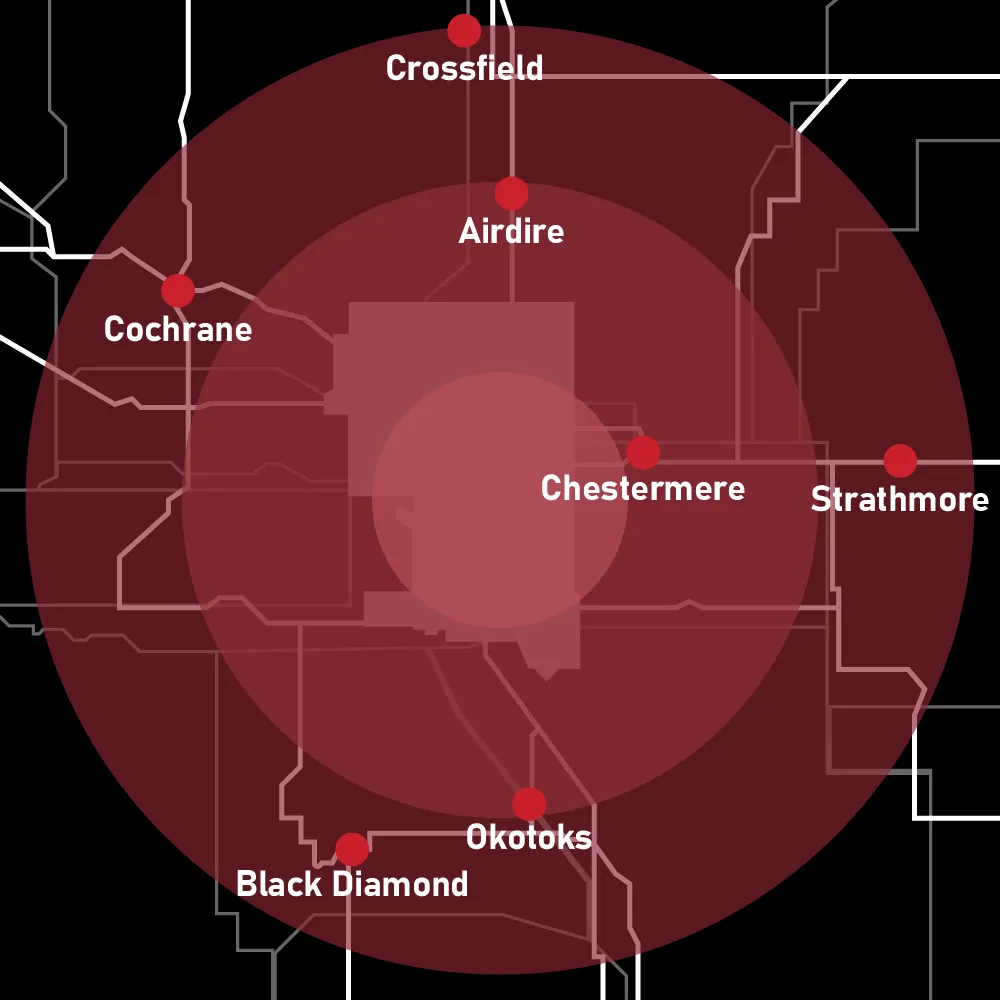
A heavy truck breakdown creates immediate safety, operational, and liability concerns. These problems can become more serious within minutes if the wrong decisions are made. The first actions after a breakdown should protect people, prevent secondary damage, document conditions, and determine whether roadside repair or towing is the safest option. Rusted Nuts Mechanical Services provides roadside assistance and heavy truck repair support for commercial vehicles throughout Calgary and surrounding areas.
Immediate Safety Priorities
Protecting the driver, other road users, and the vehicle is the first priority after any heavy truck breakdown. Mechanical diagnosis and repair decisions should wait until immediate safety risks have been addressed.
When a fault occurs while the vehicle is moving, the driver should reduce speed gradually and move to the safest available location. Traffic speed, visibility, shoulder width, road conditions, and vehicle stability all influence what qualifies as a safe location. After stopping, the driver should apply the parking brake, place the transmission in the appropriate position, and activate the hazard lights immediately.
The decision to remain inside the cab or exit the vehicle depends on the surrounding conditions. Traffic, weather, visibility, vehicle position, fire hazards, and hazardous materials can all affect the safest course of action. In many cases, secondary collisions create a greater risk than the original mechanical problem.
If moving the vehicle to a safe location is impossible, securing the scene and requesting assistance should become the immediate priority.
Securing the Vehicle and Scene
Once the vehicle has stopped safely, the driver should secure the vehicle and surrounding area as quickly as conditions allow. This process typically involves activating four-way hazard flashers, deploying warning triangles or other required warning devices, confirming that the vehicle cannot move unexpectedly, assessing nearby traffic hazards and visibility conditions, and checking for fluid leaks, smoke, fire hazards, or dangerous cargo concerns. Warning devices should be placed according to applicable commercial vehicle regulations and the conditions at the scene.
Breakdowns on high-speed roadways, bridges, narrow shoulders, or active traffic lanes require additional caution. Drivers should avoid exposing themselves to unnecessary danger while attempting to secure the area.
Additional reporting and emergency response procedures may apply if the vehicle is carrying dangerous goods or hazardous cargo.
The actions taken during the first five minutes often determine whether the situation remains a mechanical issue or develops into a larger safety incident.
Actions That Prevent Additional Damage
After the vehicle is safe, preventing additional mechanical damage becomes the next priority. Repeatedly restarting an engine after a serious warning light, loss of oil pressure, overheating event, or unusual mechanical noise can significantly increase repair costs. Continued operation after certain failures can also create damage beyond the original problem.
When conditions allow, the driver should shut down the engine if critical warnings or severe mechanical symptoms are present. The vehicle should not be moved unless safety requires it. Warning lights and fault messages should be documented before power loss occurs. Drivers should also check for obvious leaks or damage and avoid repairs or adjustments that have not been properly diagnosed or authorized.
Active fluid leaks require immediate documentation and reporting because they can increase both environmental liability and mechanical damage. At this stage, the goal is not diagnosis. The goal is preventing a manageable repair from becoming a catastrophic failure.
Information to Document Before Repairs Begin
Accurate documentation protects drivers, fleet operators, and repair providers. It also reduces diagnostic time and liability exposure.
Important information includes the vehicle location, date and time of the breakdown, current odometer reading, engine hours when applicable, warning lights or fault codes, driver observations, weather and road conditions, visible damage or fluid leaks, and photographs of the vehicle, surrounding area, and instrument panel.
Fault codes and warning messages should be recorded immediately. Repeated restart attempts, power loss, or battery failure can erase some information.
Events that occurred before the breakdown should also be documented. These details may include unusual noises, vibrations, power loss, temperature changes, or warning indicators.
Dispatch personnel, fleet managers, roadside service providers, insurers when applicable, and repair technicians should receive this information. Sharing these details can reduce delays and improve diagnostic accuracy. Early documentation helps establish a timeline, support warranty and insurance claims, and speed up repairs.
When to Call Mobile Repair vs Towing
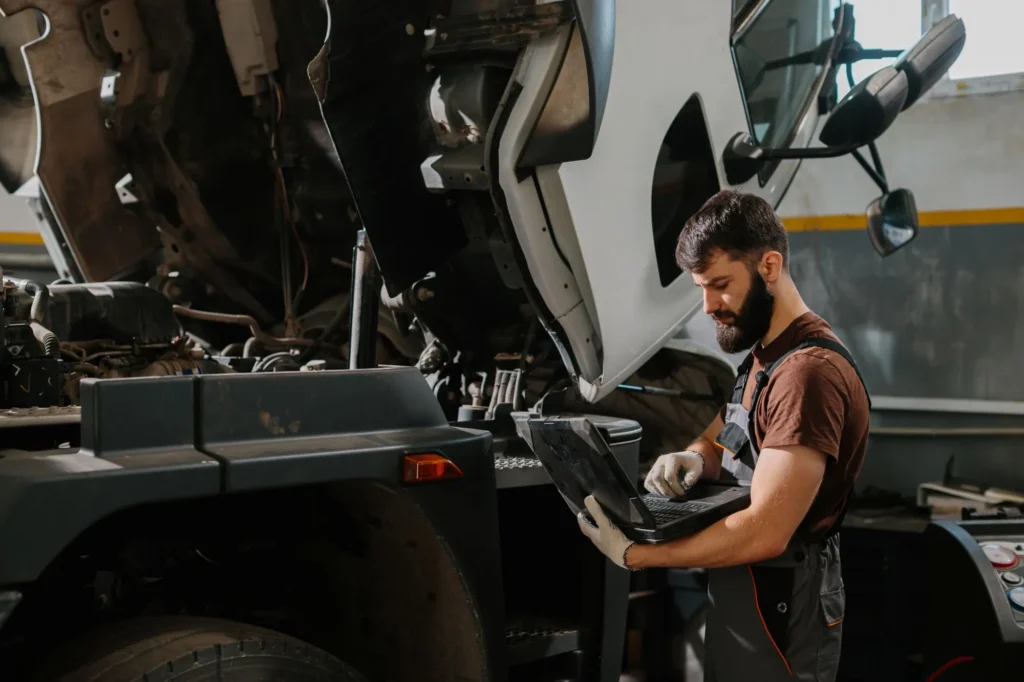
The decision between mobile repair and towing depends on safety, accessibility, and the likelihood of completing repairs onsite.
Mobile repair often makes sense when the vehicle remains in a safe location, the problem appears isolated, no structural damage exists, and technicians can safely complete repairs onsite. Vehicle position, traffic exposure, weather conditions, and available workspace all influence whether roadside repairs remain practical.
Towing is generally the safer option when the vehicle creates a traffic hazard, experiences brake, steering, or suspension failure, has suspected major engine or drivetrain damage, cannot be safely accessed roadside, or faces dangerous weather or environmental conditions.
After inspection, a mobile repair technician may still determine that towing is the safest and most efficient solution.
Attempting roadside repairs when towing is the safer option can increase downtime, create additional damage, and expose drivers and fleet operators to unnecessary liability.
Mistakes That Make Breakdowns Worse
Several common decisions can significantly increase repair severity, downtime, and safety risk. Continuing to drive after a major warning indicator is one of the most expensive mistakes. Delaying requests for roadside assistance can also increase downtime, reduce technician availability, and complicate recovery logistics.
Other mistakes include ignoring warning lights or fault messages, failing to secure the breakdown scene properly, moving the vehicle unnecessarily, failing to document vehicle conditions, attempting repairs without proper equipment or diagnosis, and remaining in unsafe locations around the vehicle.
Early action affects more than repair costs. Prompt scene management, documentation, and reporting help establish an accurate timeline. These actions also demonstrate reasonable response procedures, reduce liability exposure, improve safety outcomes, shorten downtime, and prevent additional damage. Rusted Nuts Mechanical Services provides heavy truck roadside assistance and mobile repair support to help drivers and fleet operators throughout Calgary respond quickly and safely when breakdowns occur.