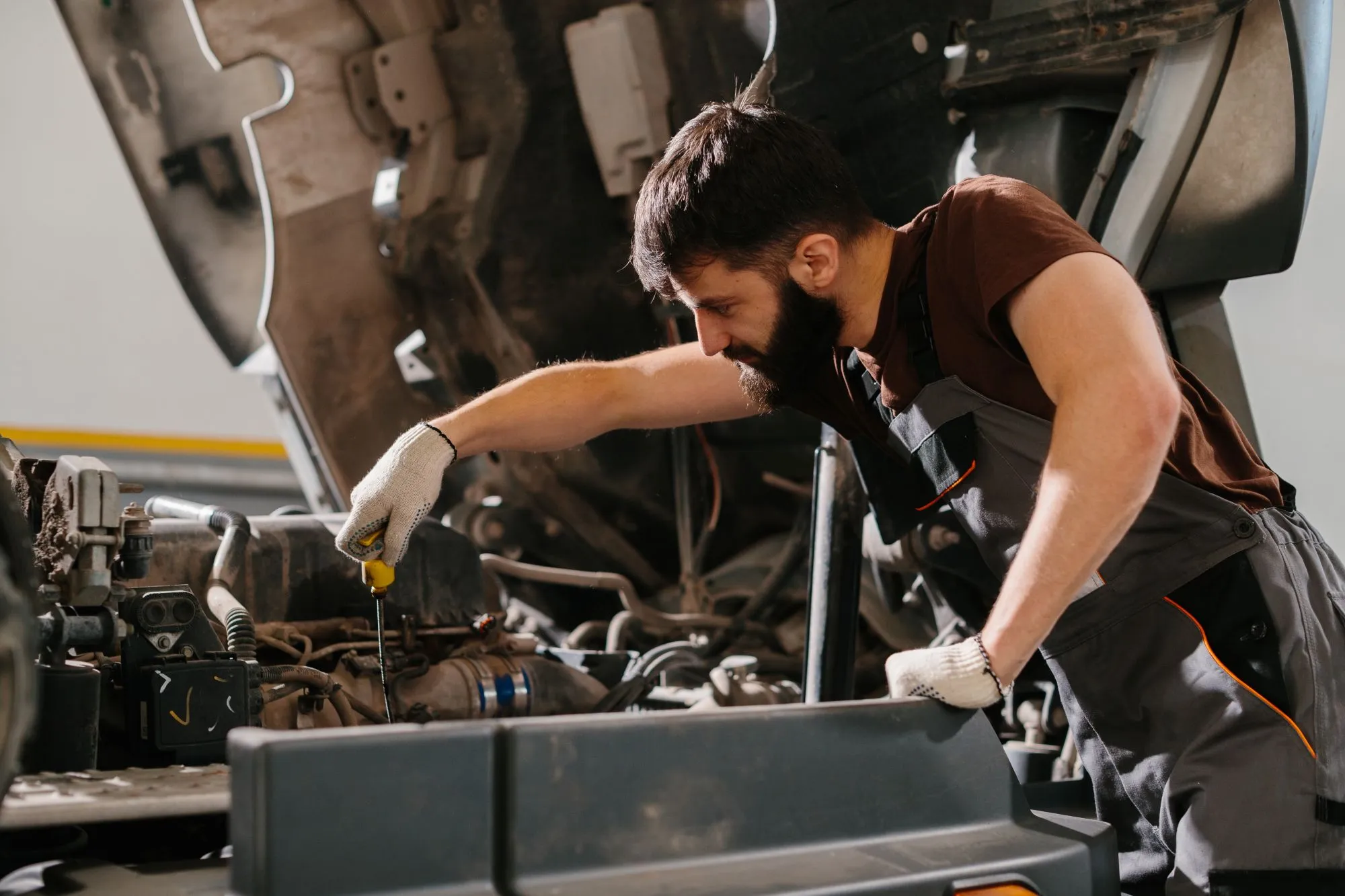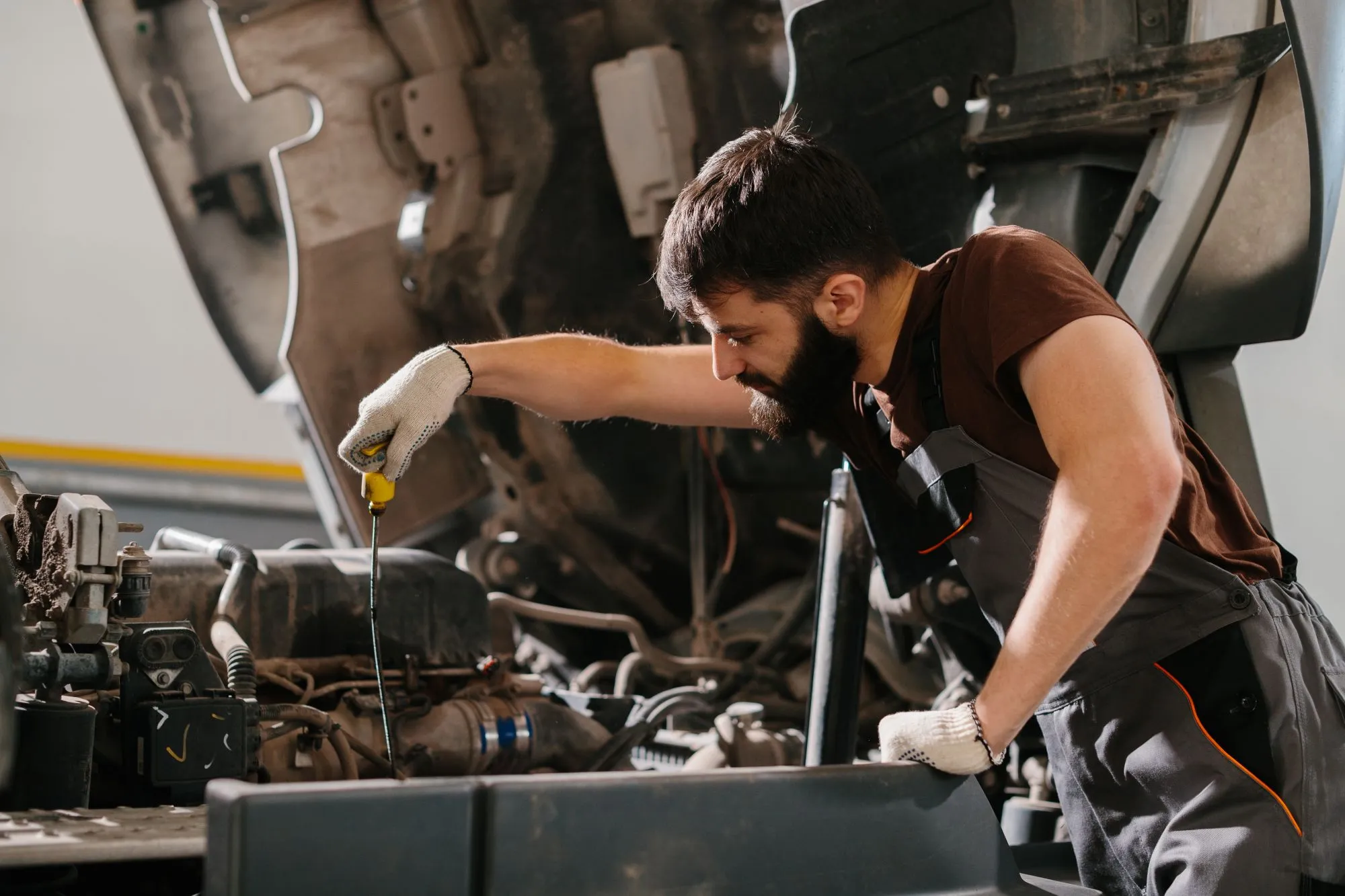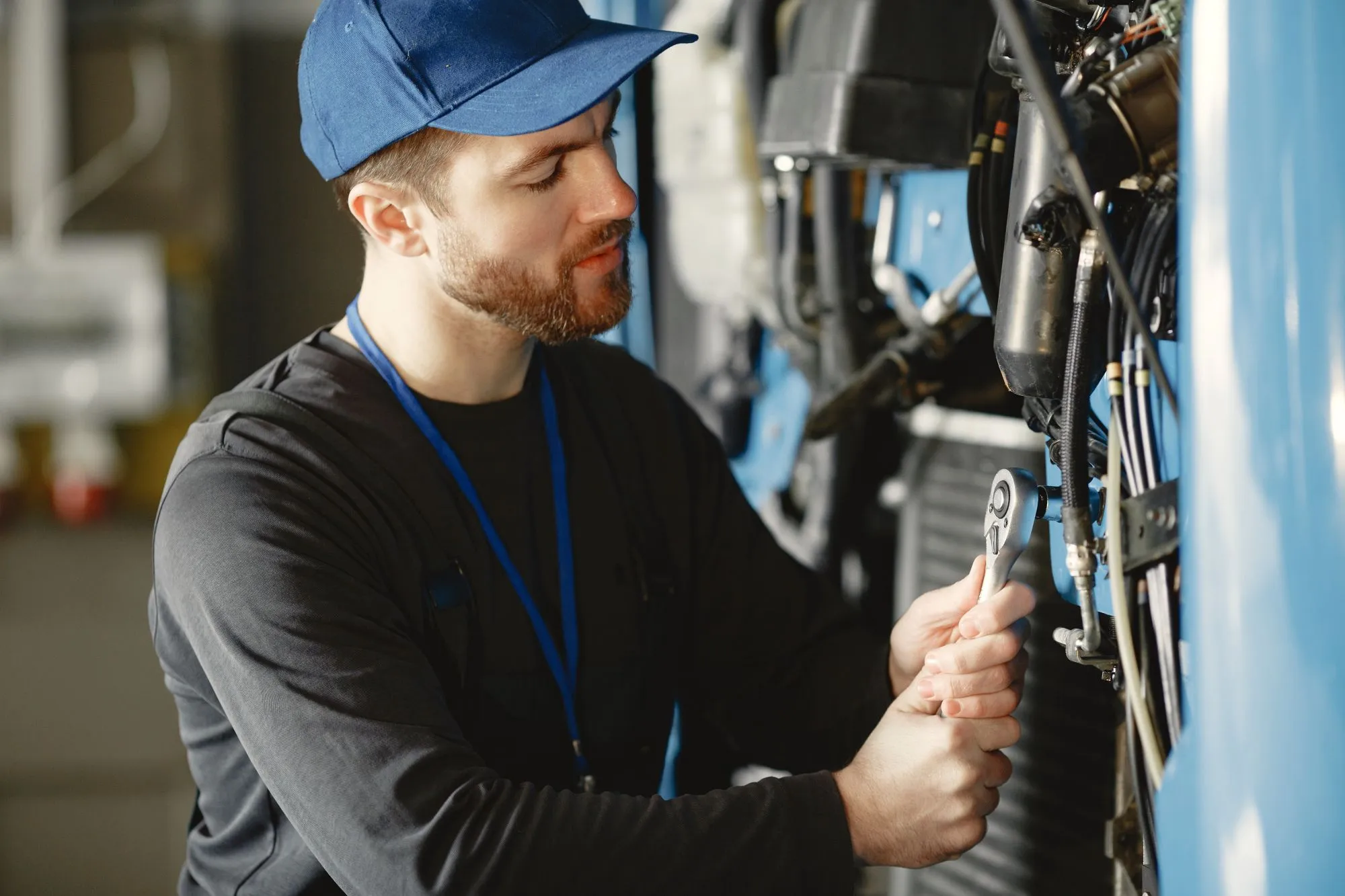
OEM vs aftermarket parts for heavy truck repairs directly affects cost control, uptime reliability, and compliance risk across a fleet. OEM refers to parts produced to the original manufacturer’s exact specifications, while aftermarket parts range from OE-equivalent components made by approved suppliers to lower-tier alternatives with varying material and fit standards. The decision depends on the specific repair scenario, system criticality, and operating conditions. Rusted Nuts Mechanical Services evaluates part selection against failure risk, downtime exposure, and regulatory requirements using real repair outcomes and field performance across similar trucks.
The Decision Behind Part Selection
Part selection creates a tradeoff between upfront cost and operational certainty. Operational certainty means predictable fit, lower failure rates, and reduced diagnostic variability after installation. OEM parts reduce variability and compliance risk, while aftermarket parts lower immediate spend but introduce differences in fit, lifespan, or performance depending on quality tier.
Aftermarket does not function as a single category. OE-equivalent parts can match original tolerances closely, while lower-tier options vary in materials and consistency. Rusted Nuts Mechanical Services separates these tiers during evaluation instead of grouping all aftermarket parts together.
Cost Sensitivity vs Operational Risk
Lower-cost parts reduce short-term repair expenses but increase long-term exposure if failure leads to downtime, secondary damage, or repeat repairs. A failed suspension component, for example, can accelerate wear on adjacent mounts or alignment components, creating additional repair scope.
This risk increases when downtime disrupts scheduled routes or contracts, when trucks operate in remote or high-load conditions, and when repairs involve systems tied to safety or compliance. In these cases, even a small increase in failure probability creates a disproportionate operational impact.
Rusted Nuts Mechanical Services compares the cost difference of the part against the cost of downtime when making recommendations. If one failure exceeds the savings from choosing a lower-cost part, the lower-cost option loses its advantage.
Cost-sensitive decisions only work when failure remains isolated and does not cascade into larger mechanical or operational consequences. Once failure risk extends beyond the part itself, cost savings lose relevance.
When OEM Parts Make the Most Sense
Manufacturers design OEM parts to match original specifications, tolerances, and system integration requirements. Their value increases when deviation from those standards introduces measurable risk or uncertainty.
OEM parts do not apply in every scenario, but certain systems effectively require them due to compliance, calibration, or warranty constraints. Rusted Nuts Mechanical Services prioritizes OEM when deviation creates inspection risk, system instability, or increased diagnostic time.
Warranty, Compliance, and Critical Systems
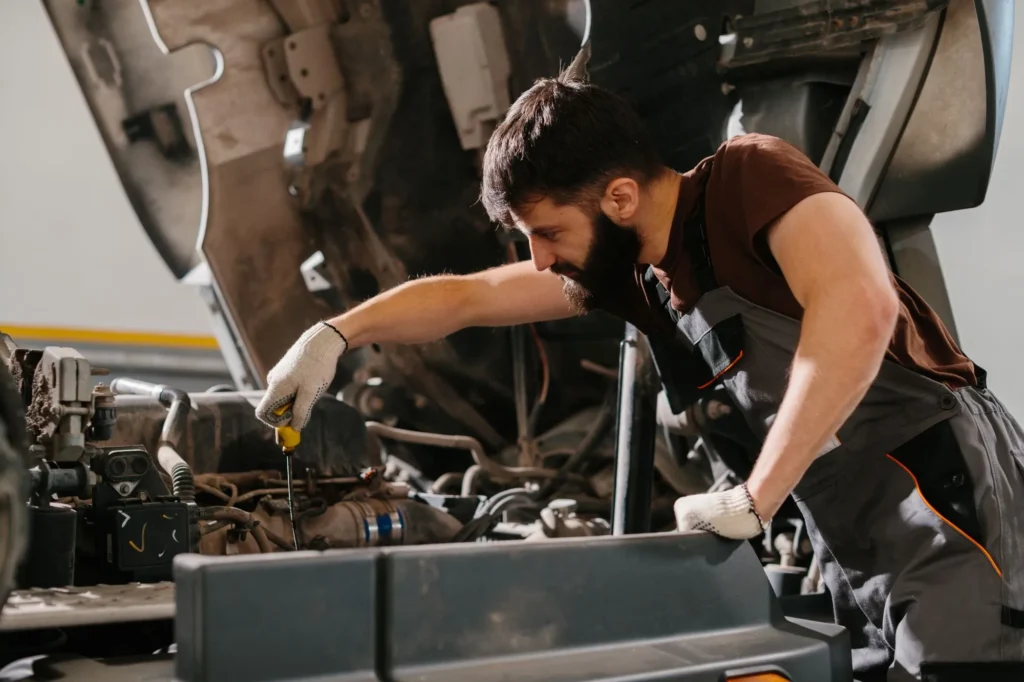
Rusted Nuts Mechanical Services requires or strongly prefers OEM parts when warranty coverage depends on manufacturer-approved components, when systems control safety such as braking, steering, or suspension, when emissions components must meet regulatory standards, and when electronic systems depend on precise compatibility and calibration.
Critical systems include any component where failure affects vehicle control, legal compliance, or inspection outcomes. In these systems, part selection directly determines whether the truck can operate or pass inspection.
CVIP inspections evaluate component condition, fit, and system performance against safety and compliance standards. If a non-OEM or substandard part fails inspection, the truck requires rework, replacement, and re-inspection before returning to service, increasing downtime and cost.
Some aftermarket parts meet compliance standards when they match required specifications, but they require verification. Rusted Nuts Mechanical Services confirms these standards before recommending any alternative.
Supply constraints sometimes limit OEM availability. In those cases, Rusted Nuts Mechanical Services selects verified equivalents that meet required specifications without introducing inspection or performance risk.
When Aftermarket Parts Are the Better Choice
Rusted Nuts Mechanical Services uses aftermarket parts when the system does not require strict OEM adherence and when performance variation does not introduce operational risk.
Quality varies significantly across aftermarket options. OE-equivalent parts often match OEM performance closely, while lower-tier options introduce variability in fit, durability, and lifespan. Rusted Nuts Mechanical Services only recommends aftermarket parts with proven performance through prior use or verified specifications.
Cost Control and Non-Critical Repairs
Aftermarket parts apply in non-critical systems where failure does not affect safety or compliance, in older vehicles without warranty constraints, and in high-wear components where replacement frequency drives cost decisions.
Non-critical systems remain mechanically isolated and do not affect connected systems or vehicle control. Functional equivalence means the part fits within acceptable tolerances, performs its intended function without stressing adjacent components, and delivers a predictable service life.
High-frequency replacement parts still create downtime risk if they fail early. Rusted Nuts Mechanical Services evaluates replacement intervals and failure history to prevent repeated service interruptions.
Rusted Nuts Mechanical Services only selects aftermarket parts when failure does not trigger additional repairs, extended downtime, or system-wide impact.
Performance, Longevity, and Fit Considerations
OEM parts deliver consistent fit and predictable lifespan based on original engineering standards. Aftermarket parts vary by manufacturer quality, which introduces differences in dimensional fit, material durability, and compatibility with adjacent components.
Fitment issues increase installation time, create alignment problems, and introduce stress into connected systems. Material differences change wear rates, especially under load or extreme conditions. Compatibility issues can lead to tolerance stacking, where small dimensional differences compound and affect overall system performance.
Lifespan variation depends on quality tier and operating conditions. Inconsistent lifespan increases maintenance frequency and labor cost, even when the initial part cost appears lower.
Rusted Nuts Mechanical Services evaluates these factors using past repair outcomes and repeat failure patterns instead of relying on category assumptions.
Choosing the Right Option for Calgary Operating Conditions
Calgary operating conditions introduce stress factors that directly affect part performance. Temperature swings, heavy loads, and seasonal road conditions all influence long-term durability.
Cold weather increases brittleness in rubber, plastic, and seal components while placing additional strain on electrical systems and sensors. In these conditions, Rusted Nuts Mechanical Services favors OEM or tightly controlled equivalents when tolerance precision affects reliability.
Heavy load conditions increase wear on drivetrain and suspension components. Higher-quality aftermarket parts may perform well if they meet durability requirements, but lower-tier options increase failure probability and shorten service intervals.
Road conditions expose undercarriage and suspension systems to impact and environmental stress. In these areas, durability consistency matters more than initial cost.
Seasonal transitions introduce rapid temperature changes that stress materials differently than stable conditions. Rusted Nuts Mechanical Services accounts for these shifts when selecting parts for components exposed to both cold starts and operating heat within short cycles.
Higher-quality aftermarket parts meet defined standards for material composition, durability under load, and consistent performance across similar operating conditions.
How Repair Shops Factor Part Choice Into Recommendations
Rusted Nuts Mechanical Services evaluates part selection based on risk, not preference. The team considers system criticality, vehicle age, operating conditions, downtime cost, and historical performance data from similar repairs.
Rusted Nuts Mechanical Services tracks historical performance through repeat failure rates, warranty returns, and observed lifespan across comparable trucks and environments. This approach grounds recommendations in real-world outcomes rather than theoretical specifications.
Customer priorities sometimes differ from risk-based recommendations. In those cases, Rusted Nuts Mechanical Services explains tradeoffs in terms of expected lifespan, failure probability, and downtime impact before finalizing the decision.
Each recommendation ties directly to usage intensity, system type, compliance requirements, and downtime sensitivity. This ensures the selected part aligns with how the truck operates in real conditions.