The questions asked before choosing a truck repair shop reveal whether the provider is equipped for the vehicle, prepared for the repair, and clear about costs and responsibilities. Fleet managers and truck owners should evaluate actual capability rather than relying on general claims about experience. Rusted Nuts Mechanical Services encourages Calgary operators to establish repair scope, expectations, and documentation requirements before authorizing work.
Why Choosing the Wrong Shop Costs More Than the Repair
A poor shop match often creates costs beyond the original mechanical problem. Inadequate equipment, limited diagnostic coverage, unfamiliarity with commercial vehicles, or weak parts access may lead to towing, repeated diagnosis, delayed completion, and outsourced work that was never included in the initial estimate.
An incorrect or incomplete repair also extends downtime. The truck may return to service with the original fault unresolved, a related problem overlooked, or required documentation missing. For commercial operators, those failures may disrupt routes, job schedules, maintenance records, and inspection planning.
Hourly labour rates do not show the total cost of a repair. A lower rate offers little value when the shop takes longer to diagnose the fault, waits for outside support, or repeats work. The better comparison considers diagnostic accuracy, repair capability, turnaround expectations, authorization controls, and the likelihood of completing the job properly the first time.
Questions That Reveal Heavy Truck Experience
General repair experience does not confirm familiarity with a specific commercial vehicle. The shop’s answers should identify the vehicles and systems it handles regularly, not simply state that its technicians work on trucks.
Experience With Heavy-Duty vs Light-Duty Vehicles
Ask which vehicle classes, configurations, makes, and systems the shop services during a typical month. A useful answer should distinguish between occasional truck work and regular experience with diesel engines, air brakes, driveline components, suspension systems, electrical networks, aftertreatment equipment, trailers, and vocational vehicles.
The following questions help establish relevant experience:
- What types of heavy-duty trucks do you repair regularly?
- Have you worked on this vehicle make, model, engine, and configuration?
- Which repairs on this truck fall within your normal scope?
- Where do you obtain the service procedures and specifications for this vehicle?
Shop-wide experience does not confirm that the assigned technician has worked on a similar truck. Ask who will perform the diagnosis and repair, what relevant heavy-duty training or credentials that person holds, and how the shop supervises or reviews apprentice work.
Years in business alone do not prove current capability. Vehicle technology, emissions systems, electronic controls, and diagnostic requirements change. Relevant training, current service information, and recent experience with similar vehicles matter more than a general claim of mechanical experience.
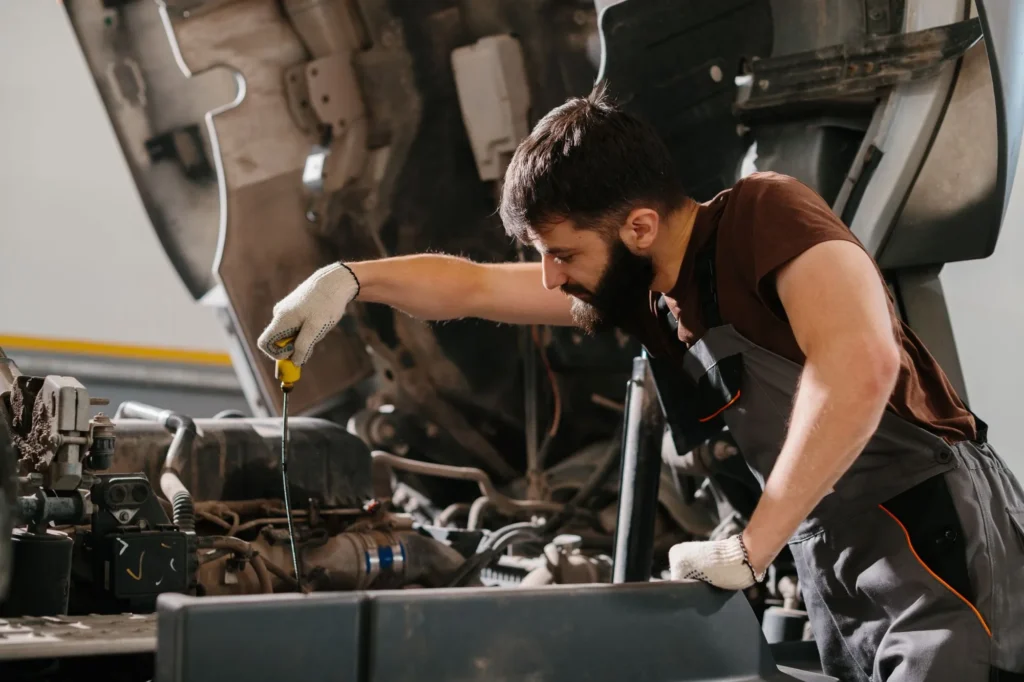
Familiarity With Fleet and Commercial Operations
Ask how the shop manages repairs when vehicle availability affects routes, crews, contracts, or customer commitments. A fleet-focused provider should understand that downtime includes scheduling disruption, replacement-unit costs, driver availability, and lost operating capacity.
Questions should cover how the shop prioritizes disabled units, communicates diagnostic findings, obtains repair authorization, and provides completion updates. Fleet managers should also confirm who receives estimates and whether the shop follows account-level approval limits instead of relying on individual drivers to authorize unexpected work.
For multiple vehicles, ask whether the shop maintains service histories, identifies recurring faults, coordinates preventive maintenance, and reports patterns across the fleet. Consistent records help determine whether a failure is isolated or part of a broader maintenance issue.
A shop may be mechanically capable yet poorly suited to fleet operations if it provides uncertain completion times, irregular updates, or incomplete maintenance records. Those process gaps become more expensive as fleet size and vehicle utilization increase.
Questions About Equipment, Capability, and Limitations
A shop should explain which work it completes, which vehicles its facility accommodates, and where its limitations begin. Clear limitations are preferable to broad promises that only become qualified after the truck arrives.
Diagnostic Tools and Shop Infrastructure
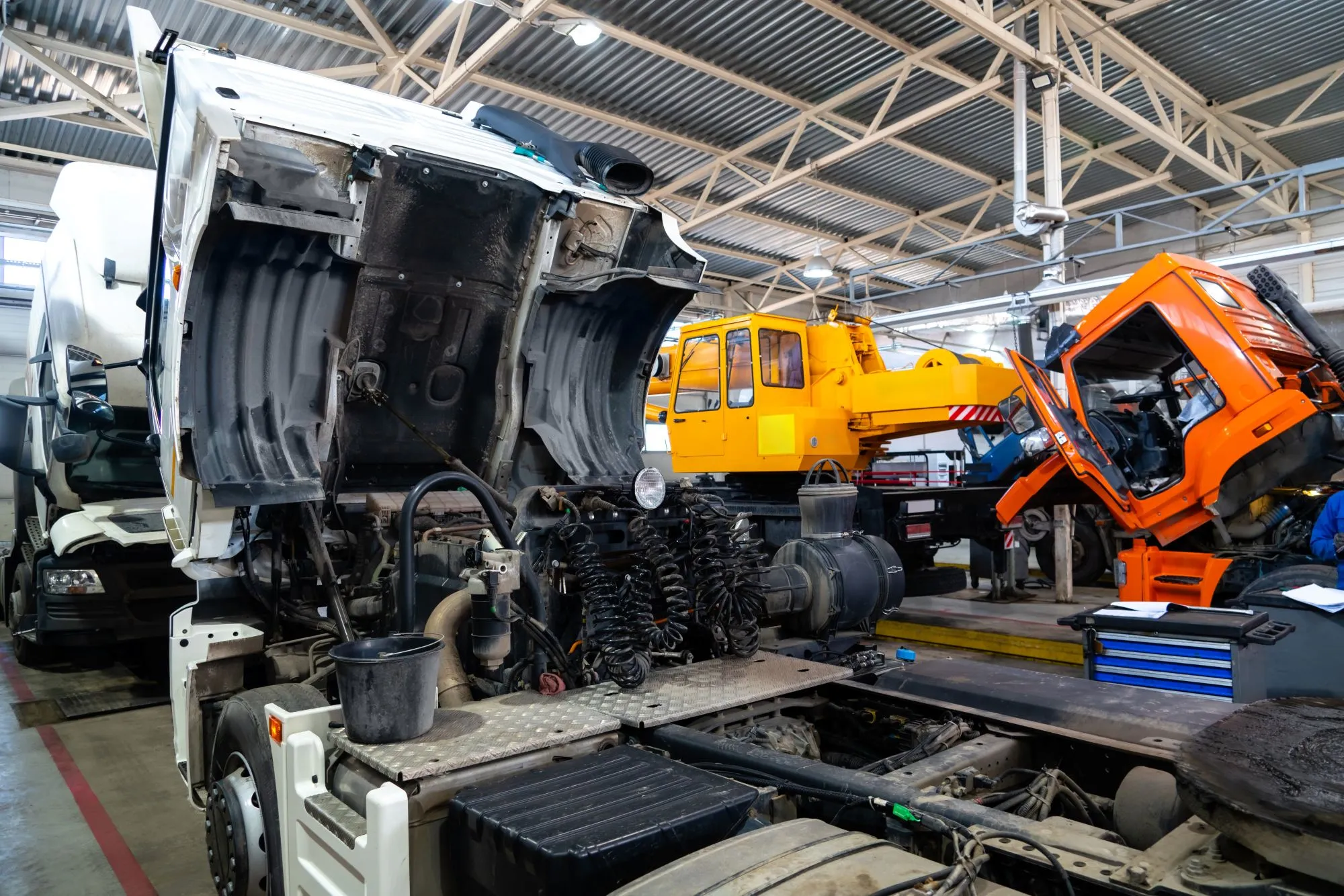
Ask whether the facility supports the truck’s dimensions, weight, and configuration. Door clearance, bay length, floor capacity, lifting equipment, component-handling tools, and safe access around attached equipment all affect which repairs belong within the shop’s practical scope.
Diagnostic capability should match the vehicle and suspected system. Confirm whether the shop has suitable scan coverage, electrical testing equipment, service information, and system-specific tools for the engine, transmission, brakes, aftertreatment equipment, or electronic controls involved.
The important question is not whether the shop owns a diagnostic scanner. Ask how technicians confirm a fault after retrieving a code and how they verify the repair afterward. Codes identify affected circuits or operating conditions, but they do not always identify the failed component.
For mechanical work, ask which measurements, pressure tests, calibrations, or operational checks the shop performs before returning the truck. A qualified answer should connect the available equipment to the required repair procedure rather than offer a general statement about having modern tools.
In-House vs Outsourced Repairs
Outsourcing does not automatically make a shop unsuitable. Specialized machining, electronic module work, alignments, fabrication, or component rebuilding may be handled more efficiently by a qualified outside provider. The risk comes from unclear responsibility, pricing, and timelines.
Ask which parts of the expected repair will remain in-house and which may go elsewhere. If outside work is possible, establish who selects the provider, transports the vehicle or component, approves the additional cost, applies any markup, manages delays, and handles warranty concerns.
The original shop should remain accountable for communication and coordination if it accepts responsibility for the overall repair. Confirm whether the original shop or subcontractor warrants the outside work and who will correct the problem if it fails to resolve the fault.
Unexpected outsourcing may alter the estimate and completion date substantially. Therefore, approval requirements should be established before the truck is disassembled or transported to another facility.
Questions That Protect You From Cost Surprises
Unexpected costs usually arise when the original scope, diagnostic allowance, billing method, parts assumptions, or approval process is unclear. Before work begins, establish what the estimate includes and what requires further authorization.
How Estimates Are Built and Adjusted
Ask whether the initial amount covers diagnosis only, a specific repair, or both. The estimate should identify expected labour, anticipated parts, shop supplies, outside services, and other known charges. It should also explain which conditions remain uncertain until inspection or disassembly.
Confirm whether labour is billed by actual time, a flat-rate allowance, or another method. Ask about minimum diagnostic charges, overtime rates, environmental or shop-supply fees, towing expenses, and storage charges after the repair is complete.
Some faults require diagnostic time before a repair estimate is possible. In that situation, set a diagnostic spending limit and require an update before additional testing or disassembly proceeds. This separates approval to investigate the problem from approval to complete every repair discovered.
Ask what happens when technicians uncover related damage or the repair takes longer than expected. A clear process should pause work, explain the new findings, provide the revised cost and timing, and obtain authorization before expanding the scope.
The estimate should also address what happens if the customer declines the repair after diagnosis or disassembly. Confirm the charges for teardown, reassembly, storage, and preparing the vehicle for towing or removal from the facility.
Finally, establish who is authorized to approve changes. Fleet accounts should identify the appropriate contact and set a dollar threshold so a driver or site employee does not unintentionally approve a major expense.
Parts Sourcing and Approval Process
Ask which parts category the estimate assumes. Original equipment, aftermarket, remanufactured, rebuilt, and used components differ in price, availability, warranty coverage, and expected service life. The shop should explain the proposed option in relation to the truck’s age, duty cycle, and repair objective.
Confirm whether substitutions require approval when the quoted part is unavailable. A faster alternative may reduce downtime, but it should not be installed without explaining differences in fit, warranty, durability, or price.
Parts costs may also include freight, expedited shipping, core charges, environmental fees, or supplier restocking fees. Ask which charges are included in the estimate and which might be added later.
A core charge is generally refundable only after the old rebuildable component is returned and accepted by the supplier. Confirm whether the original estimate includes the charge, who returns the core, what condition requirements apply, when the credit is expected, and whether the customer receives that credit.
If the shop accepts customer-supplied parts, establish who carries responsibility for fitment, defects, additional labour, and repeat disassembly. Many shops limit or exclude labour warranty coverage when they did not source the component, so this policy should be understood before purchase.
Questions Related to Compliance and Liability
Commercial truck repairs often affect inspection readiness, maintenance records, and the operator’s responsibility to keep the vehicle safe. A shop should distinguish mechanical repair from formal inspection authority and document safety-related findings clearly.
Ask how the shop protects vehicles while they remain in its custody. Relevant questions include whether its insurance applies to customer vehicles, road testing, technician-caused damage, theft, fire, and work performed by subcontractors. Coverage varies, so the shop should explain how responsibility is handled rather than relying on a general statement that it is insured.
Road-test authorization also deserves clarification. Establish who is permitted to operate the truck, whether the shop records the purpose and distance of the test, and how it handles fuel, cargo, attached equipment, or operating restrictions.
CVIP Repair Experience
Ask whether the shop regularly repairs defects associated with Alberta’s Commercial Vehicle Inspection Program and whether it understands the criteria relevant to the vehicle type. Experience with CVIP-related work is especially important for braking, steering, suspension, lighting, structural, and other regulated components.
Next, confirm whether both the facility and inspecting technician hold current authorization for the applicable inspection program and vehicle type. Repairing CVIP defects and issuing an inspection result are separate functions. A shop may perform repairs without holding authorization to conduct or certify the inspection itself.
Be cautious when a provider promises that a repair will guarantee a pass without completing the required inspection. Correcting one known defect does not confirm that the rest of the vehicle meets applicable requirements.
If the truck previously failed an inspection, provide the complete inspection record rather than describing the problem from memory. Ask how each listed defect will be addressed, who will coordinate the reinspection, what records must accompany the vehicle, and whether a specific reinspection timeframe applies.
Documentation and Post-Repair Reporting
Ask what records the shop provides after diagnosis and repair. The final work order should identify the VIN, fleet unit number, odometer or engine hours, service date, reported concern, inspection findings, completed work, installed parts, labour performed, and recommendations that were declined or deferred.
For diagnostic or compliance-related work, request supporting details where relevant. Fault codes, test results, measurements, adjustment values, photographs, and post-repair verification help demonstrate what technicians found and how they confirmed the outcome.
Documentation should also distinguish completed repairs from unresolved concerns. Vague notes such as “checked vehicle” provide little value when a fault returns, another technician reviews the history, or the fleet needs evidence of maintenance activity.
Where applicable, the paperwork should identify the technician responsible for the work or inspection. This is particularly important when the service requires specific qualifications or inspection authorization.
Confirm the warranty terms before authorizing work and retain them with the final invoice. The record should explain the duration, covered parts and labour, exclusions, and process for reporting a problem after the truck returns to service.
Using These Answers to Choose the Right Long-Term Partner
Reject a shop that lacks the space or equipment to accommodate the vehicle safely, does not support its major systems, refuses to follow authorization limits, or provides no clear responsibility for outsourced work. Missing repair documentation and unsupported promises about inspection outcomes are also material disqualifiers.
When several shops meet the basic requirements, compare how clearly each one defines the proposed scope, unresolved variables, estimated cost, completion expectations, and reporting process. The strongest fit is the provider whose stated capabilities match the vehicle and work rather than the shop offering the broadest promise.
When operationally practical, begin with a representative, lower-risk maintenance or repair job before assigning a major repair or wider fleet workload. Compare the estimate with the final invoice, review the timing and accuracy of updates, inspect the completed documentation, and note whether the original concern was resolved without avoidable rework.
Truck owners and fleet managers may apply the same evaluation to Rusted Nuts Mechanical Services. The final choice should reflect proven heavy-duty capability, controlled repair authorization, accountable communication, and consistent results across completed work.