Heavy truck breakdown scenarios that require towing occur when continued operation creates a serious safety risk or significantly increases repair costs. Some roadside issues can be stabilized long enough to reach a repair facility. Others require the truck to come out of service immediately. Knowing the difference helps operators avoid preventable damage, roadside incidents, and unnecessary downtime. Rusted Nuts Mechanical Services helps commercial drivers and fleet operators determine when towing is the safest option.
Why Driving After Certain Failures Causes Escalation
Many heavy truck failures become far more expensive when drivers continue operating after the first warning signs appear. Damaged components often place additional stress on connected systems. What starts as a repair can quickly become a major failure.
A truck may still move after a breakdown begins. That does not mean it is safe to drive. Heat, vibration, fluid loss, and metal contamination can accelerate damage quickly. In some cases, operators try to reach the next town or repair shop. That decision can turn a repair into a full component replacement.
Mechanical Failures That Immediately Require Towing
Some failures remove the driver’s ability to safely control, stop, or move the vehicle. These situations require towing regardless of distance, delivery schedules, or proximity to a repair facility.
Drivetrain, Brake, and Steering Loss
Loss of steering control requires immediate towing. The same applies to severe steering instability, steering component failure, brake failure, major air brake loss, locked brakes, drivetrain seizure, differential failure, driveshaft failure, wheel-end failure, and transmission failures that prevent safe operation.
These failures directly affect vehicle control. Lower speeds do not eliminate the risk. Even if the truck still moves, the chance of losing control or causing additional damage remains high. Continuing to drive often creates more repair costs and greater safety concerns.
System Failures That Can Not Be Stabilized Roadside
Some breakdowns do not involve immediate loss of control. However, roadside assistance cannot safely stabilize them. Severe engine overheating, major coolant loss, loss of oil pressure, large oil leaks, engine knock, major fuel system failures, and electrical failures affecting critical systems often require towing.
Operators can often spot signs that towing will become necessary before complete failure occurs. Persistent overheating, worsening fluid leaks, repeated derates, abnormal driveline noises, severe vibration, and recurring shutdown events all indicate increasing risk. Continuing to operate after these symptoms appear can cause extensive engine, transmission, or driveline damage.
Roadside fixes sometimes create larger repair bills. A temporary repair may restore movement without fixing the underlying problem. The truck continues operating while the failure worsens. By the time the vehicle reaches a repair facility, the damage may be much more extensive.
Situational Factors That Turn Minor Issues Into Tow Events
The same mechanical problem can produce very different outcomes depending on operating conditions. Vehicle weight, cargo type, weather, traffic, terrain, and distance to repair facilities all affect the towing decision.
A cooling system problem may remain manageable on level ground with a light load. That same problem can trigger rapid overheating while hauling a heavy load through steep terrain. Brake concerns become more serious on long grades. Tire, suspension, and steering problems also become more dangerous at highway speeds or during poor weather conditions.
Location matters as well. Operators may choose to monitor a minor issue when they are close to a repair facility. The same issue may justify towing in a remote area where support is limited and failure consequences are greater.
What to Do Once Towing Is the Only Safe Option
Once towing becomes the safest choice, the focus should shift to protecting people, cargo, and equipment. Move the truck to the safest available location if conditions allow. Activate warning devices and follow roadside safety procedures.
Provide accurate information when requesting assistance. Include symptoms, warning lights, fault codes, fluid leaks, vehicle weight, trailer status, and exact location. This information helps dispatch the correct towing and repair resources.
Many operators underestimate the cost of delaying a towing decision. Misjudging a tow-required breakdown can cause secondary failures, longer downtime, cargo delays, and significantly higher repair costs. When the outcome is uncertain, stopping early often reduces overall risk.
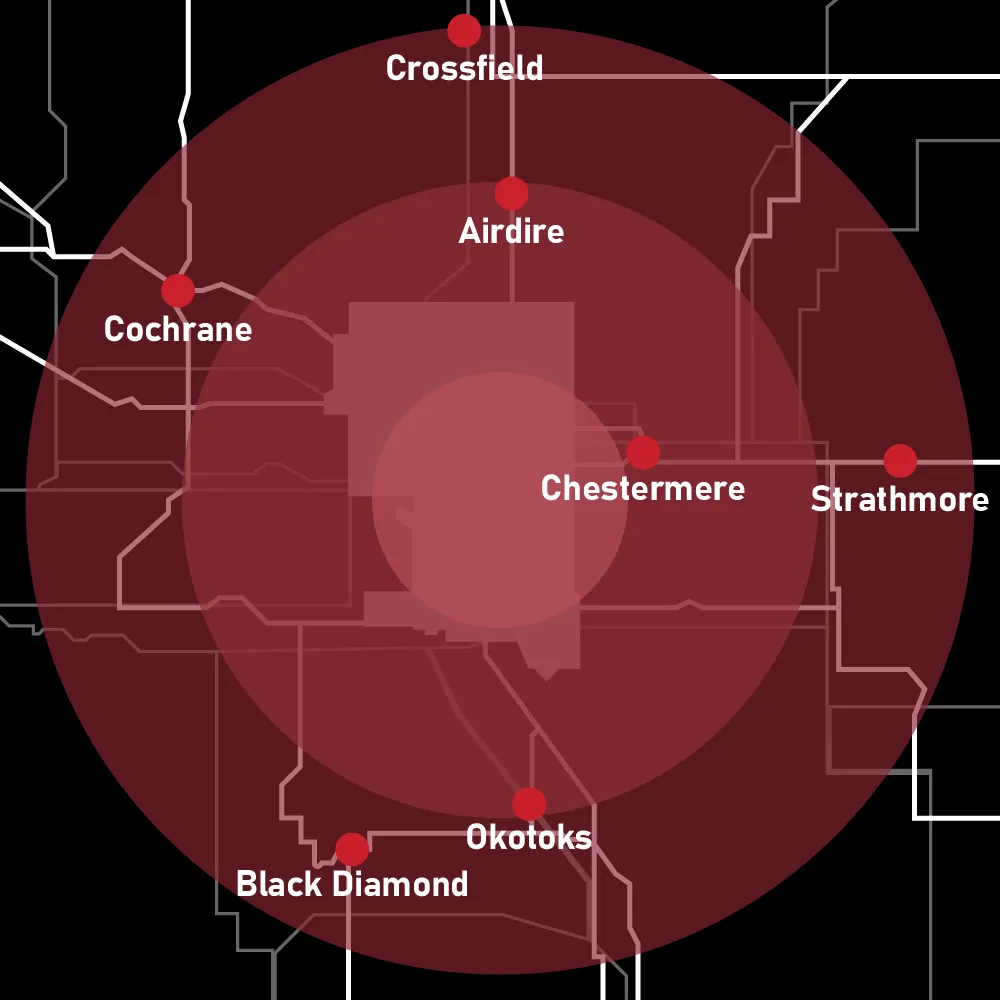
Rusted Nuts Mechanical Services provides roadside assistance and commercial truck support throughout the Calgary area. When a breakdown cannot be safely stabilized or controlled roadside, towing often becomes the most practical and cost-effective decision.