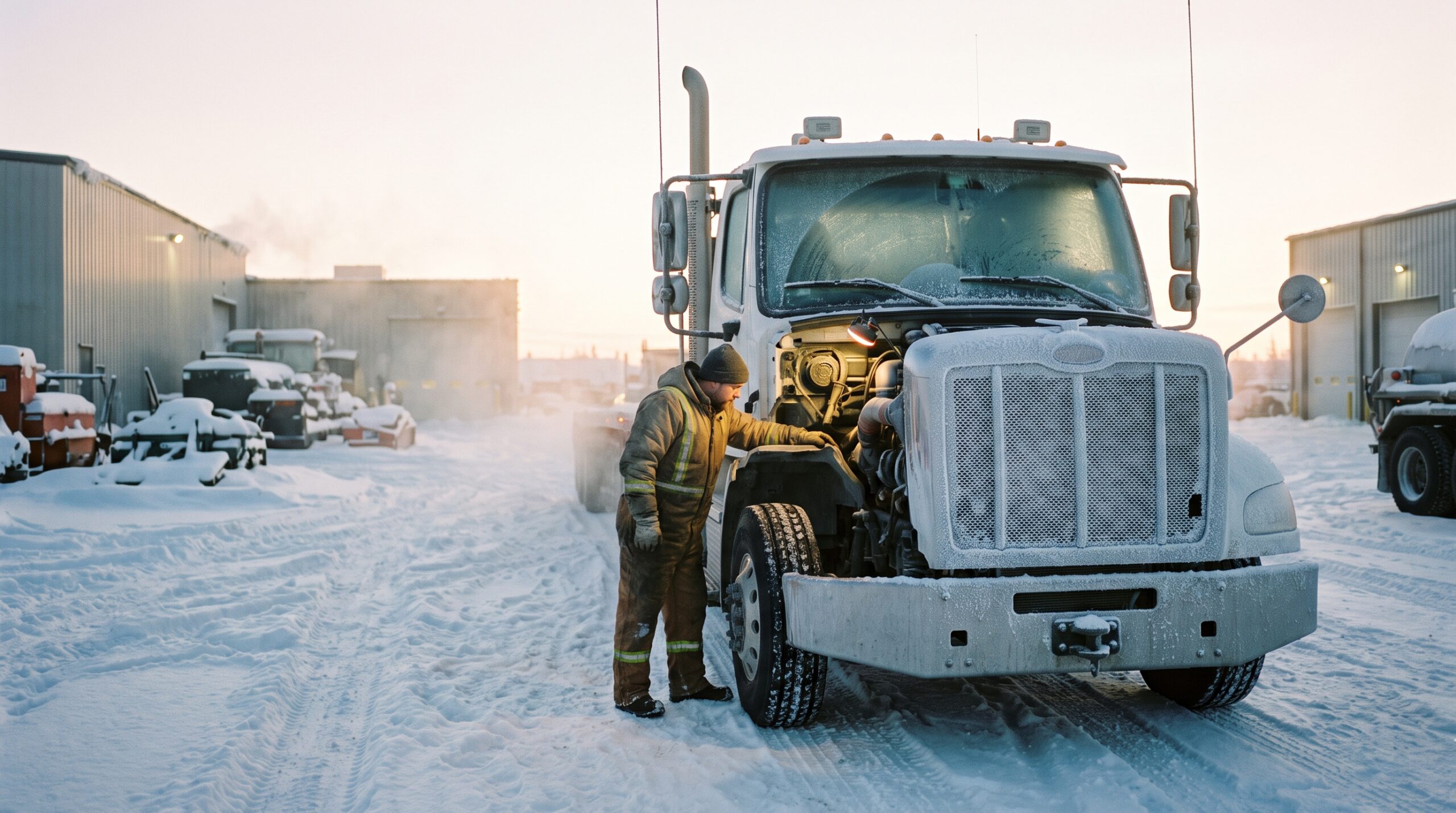
Cold weather idling is common in heavy truck operations across Calgary. Many drivers assume that leaving a diesel engine running protects it from cold temperatures and prevents startup strain. While short periods of idling can stabilize temperatures and maintain system pressure, extended idle time often increases engine wear instead of preventing it. Rusted Nuts Mechanical Services regularly services trucks affected by prolonged winter idling, particularly when engines operate for long periods without reaching proper operating conditions.
Why Cold Idling Feels Necessary but Often Is Not
Cold temperatures make diesel engines harder to start and slower to reach normal operating temperature. Because of this, many operators idle their trucks to keep engines warm between trips or while waiting at job sites.
The perception that idling protects the engine comes from older diesel operating practices where maintaining engine warmth prevented cold start issues. Modern diesel engines, however, often warm more effectively when operating under light load rather than idling.
At idle, engines produce very little heat compared to when they are moving a load. This means the engine can remain below optimal operating temperature for long periods, which increases wear on internal components.
Engine Wear Mechanisms Triggered by Prolonged Idling
Extended idling changes how lubrication, combustion, and temperature control operate within the engine. These changes can accelerate internal wear when they occur repeatedly over long winter seasons.
Oil Temperature and Incomplete Lubrication
Engine oil is designed to operate within a specific temperature range where it flows properly and maintains a protective film between moving parts. During extended idle periods in cold conditions, oil temperature can remain below this optimal range.
When oil remains cold and thick, it circulates less efficiently through engine components. Bearings, piston rings, and valve train components may receive less effective lubrication, which increases friction and long-term wear.
Fuel Dilution and Carbon Buildup Risks
Low combustion temperatures during idle operation can cause incomplete fuel combustion. Unburned fuel can pass into the crankcase and mix with engine oil, a condition known as fuel dilution.
Fuel dilution reduces the lubricating effectiveness of the oil and increases internal engine wear. At the same time, incomplete combustion promotes carbon buildup in injectors, valves, and exhaust components. Over time this buildup can reduce engine efficiency and increase maintenance requirements.
When Cold Weather Idling Is Operationally Justified
Despite the risks, there are situations where idling may still be necessary during cold weather operations. Extremely low temperatures can make repeated engine restarts difficult or place excessive strain on batteries and starters.
Short idling periods may also be justified when trucks must maintain cabin heat for operators or keep hydraulic systems responsive during brief pauses in work.
The key factor is duration. Idling for short intervals to stabilize engine temperature may be reasonable, but leaving engines running for extended periods without load increases the likelihood of long-term wear.
Idling Time Thresholds Where Wear Begins to Increase
Wear risk increases as idle duration extends beyond short warm-up periods. Engines that remain at idle for long periods do not reach the operating temperatures needed to burn fuel completely and maintain proper lubrication performance.
| Idling Duration | Typical Engine Condition | Wear Risk Indicators |
|---|---|---|
| 0 to 5 minutes | Initial warm-up period | Minimal risk when followed by normal driving |
| 5 to 15 minutes | Slow temperature rise | Oil may still be below optimal operating temperature |
| 15 to 30 minutes | Incomplete combustion conditions | Fuel dilution and carbon buildup risk increases |
| 30 minutes or more | Prolonged low-temperature operation | Accelerated internal wear and deposit formation |
These thresholds vary by engine design and ambient temperature, but repeated long idle cycles consistently increase wear across fleets operating in cold climates.
Cold-Weather Alternatives That Reduce Engine Stress
Several operational strategies can reduce the need for prolonged idling while still protecting engines during winter conditions.
Engine block heaters allow engines to maintain temperature while parked, reducing the need for extended warm-up periods. Auxiliary power units and cab heaters can provide cabin heat without requiring the engine to remain running.
Another effective approach is operating the truck under light load soon after startup rather than allowing it to idle for long periods. Engines typically reach normal operating temperature faster when lightly loaded compared to idling.
These approaches help engines reach proper operating conditions more quickly while reducing the wear associated with long idle cycles.
Long-Term Maintenance Consequences for Calgary Fleets
Repeated cold weather idling can influence long-term maintenance schedules across a fleet. Fuel dilution in engine oil may require more frequent oil changes, while carbon buildup can lead to injector and exhaust system issues.
Engines exposed to heavy idle time may also experience increased wear in piston rings, valves, and turbocharger components. These issues often appear gradually and become noticeable only after extended periods of winter operation.
Fleet operators who notice rising maintenance frequency during winter months often benefit from scheduled inspections and preventative service. Regular evaluations performed by experienced technicians, such as those at Rusted Nuts Mechanical Services, help identify early signs of idle-related engine wear.
Preventative maintenance programs designed for heavy trucks operating in Calgary conditions can reduce long-term engine damage and help fleets maintain reliable performance throughout the winter season. Guidance on inspection intervals and preventative service planning can also be found through the shop’s preventive maintenance services in Calgary.